How to Use Grok for a Job Search After a Layoff
Turn one week of real work into credible résumé bullets and an interview story.
After a layoff, a blank résumé can make years of work feel strangely hard to describe. You remember the Friday a delivery went missing. The vacancy asks for “exception management.” It may never occur to you that those are descriptions of the same work.
That is where a chatbot like Grok can earn its place in a job search. Give it one vacancy and one true account of a task you handled. Ask it to find the overlap. By the end of this exercise you should have one résumé bullet you can defend, one interview story, and a clearer sense of whether this particular role deserves an application.
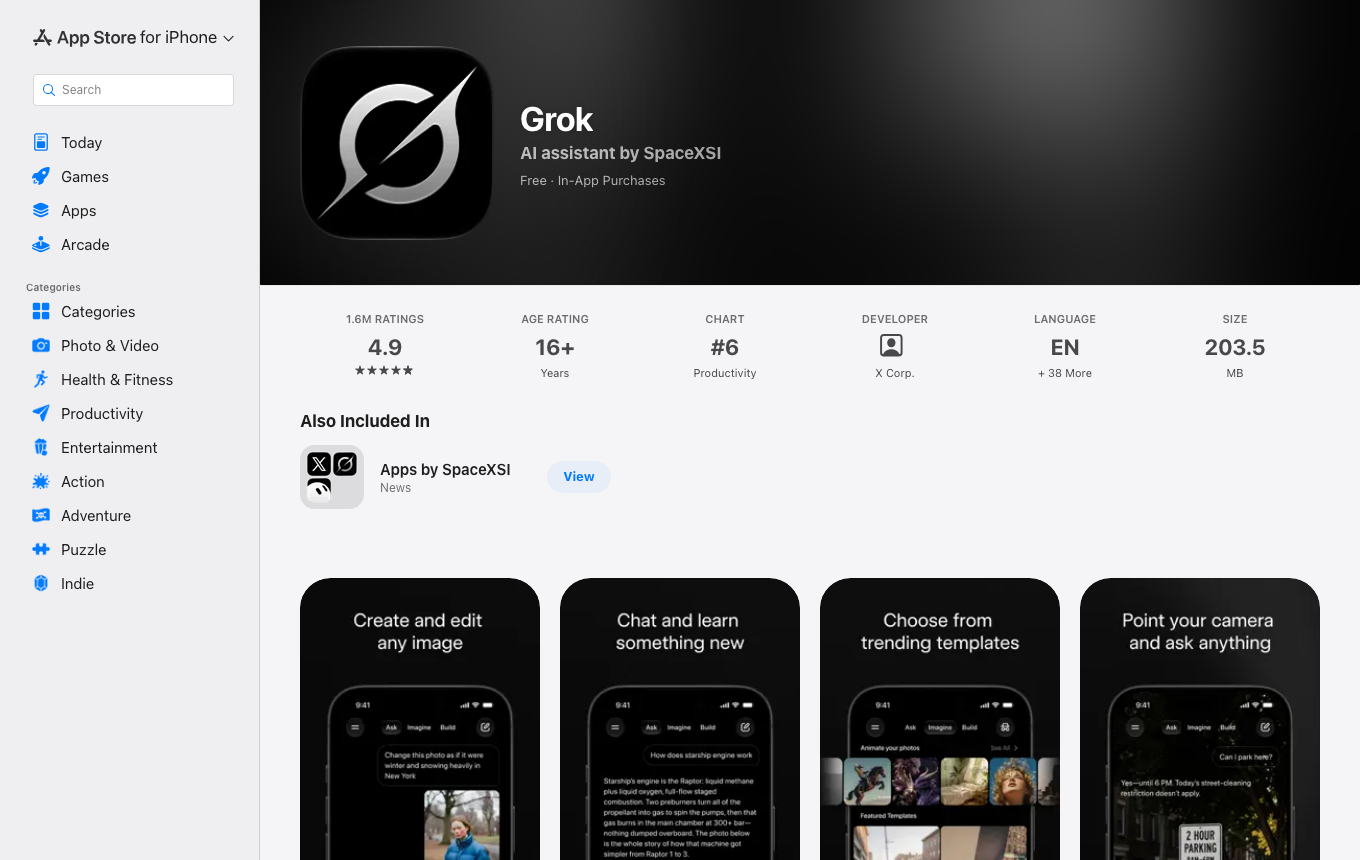
Grok’s public app preview. Open the Grok listing on Newtools or the official App Store page.
Why people are asking about bots and work
Google identified Grok as a trending AI search in India in its 2025 Year in Search. Separately, the International Labour Organization estimated that about a quarter of workers worldwide have occupations with some exposure to generative AI. Its analysis expects changes to job tasks to be more common than whole jobs disappearing. Neither finding explains why a particular employer cut a role. Together they give us a practical question: can a worker use one of these tools to describe skills that will carry into their next job? Google’s India search report · ILO global study
Start with something you remember doing
Imagine you worked in a warehouse and are considering a purchasing coordinator role. The vacancy asks for supplier follow-up, spreadsheet tracking, and experience issuing purchase orders. Here are the facts in our fictional example:
Each morning I checked the late-delivery list. If a parcel hadn't arrived, I called the supplier, wrote the revised date in a shared sheet, and told the shift lead which orders would be affected. My supervisor issued purchase orders.
Give Grok those notes and the relevant lines from the vacancy. Leave out supplier names, customer records, home addresses, and details from internal systems. The assistant needs the shape of the task. Try this prompt:
Match each requirement to something I actually did. For each one, quote the supporting words from my notes. If the evidence is missing, write “unknown.” Ask me one follow-up question before writing a résumé bullet. Do not invent numbers, seniority, software, or responsibilities.
Here is what a defensible result would look like. This is a worked example you can compare with the answer on your screen.
| Vacancy requirement | What the notes support | What belongs on the résumé |
|---|---|---|
| Supplier follow-up | Called the supplier for a revised date | Followed up with suppliers on late deliveries |
| Spreadsheet tracking | Entered the new date in a shared sheet | Updated the team's delivery tracker |
| Issuing purchase orders | Supervisor did this | Leave it out. Ask whether the employer offers training. |
A good follow-up question would be “Who used your update, and what did they do with it?” That tends to produce a better bullet than “Can you provide a percentage?” Perhaps the shift lead changed the packing order. Include that only if you remember it happening.
Turn one claim into a résumé bullet and an interview answer
“Optimized procurement operations and reduced delays by 30%” sounds impressive. Nothing in the notes supports the percentage, the reduction, or ownership of procurement. A defensible version is: “Followed up with suppliers on late deliveries, recorded revised arrival dates, and alerted shift leads to affected orders.” A hiring manager can ask about every verb in that sentence.
For interview practice, ask Grok to play the hiring manager and ask one question at a time. Start with “Tell me about a delivery update that changed someone's plan.” Answer aloud before reading any suggested answer. If you find yourself borrowing a detail the chatbot supplied, replace it with something you remember. If you can't recall the outcome, say what you communicated and how you would check the outcome now.
Next, try a second vacancy. A dispatch coordinator may care more about communication with the shift lead than supplier contact. The underlying experience stays the same. You can move the relevant task to the front of the sentence. That gives you two tailored applications without having to maintain two versions of your working history.
A maker find for turning those notes into a document
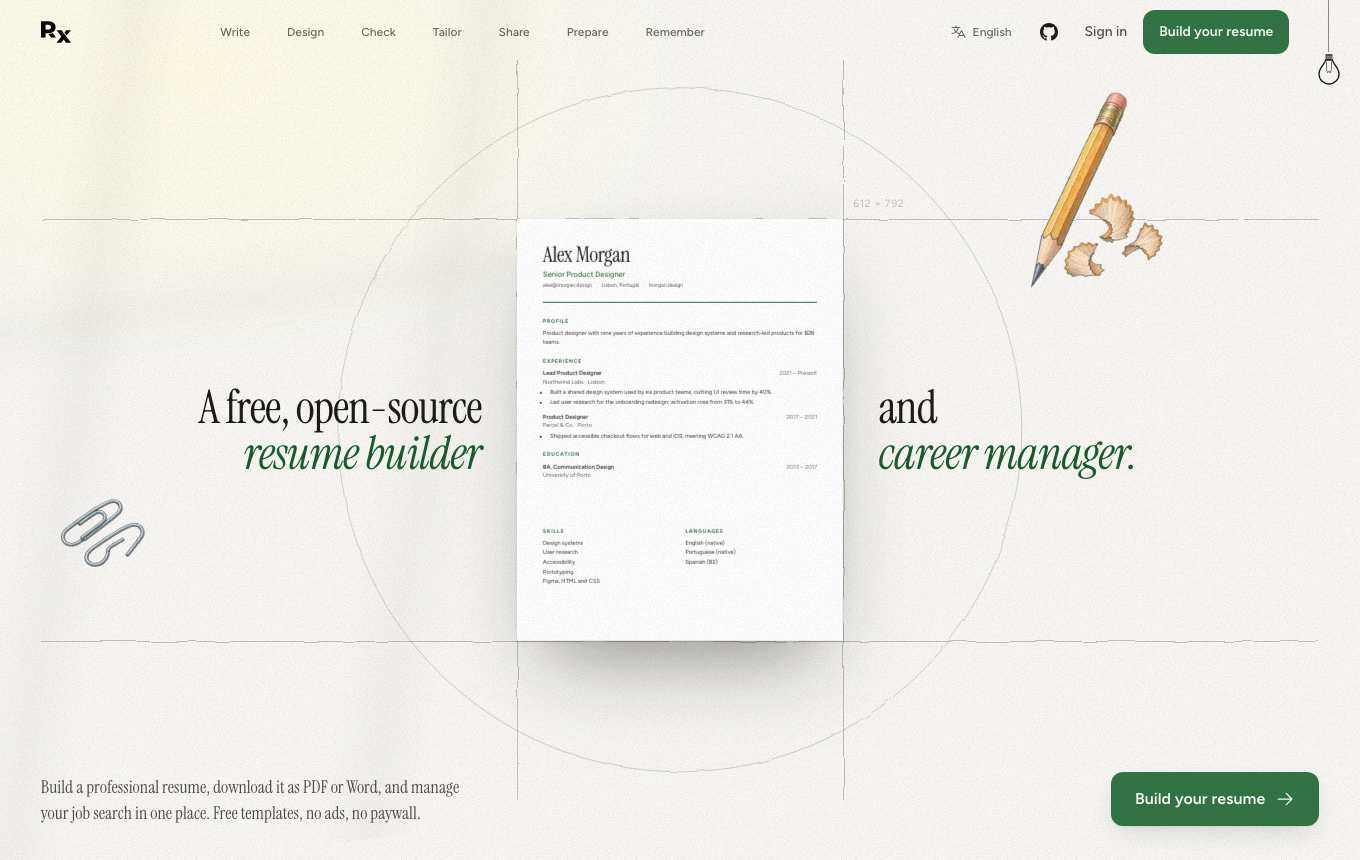
Reactive Resume, an open-source project maintained by Amruth Pillai and contributors. Open the builder · See the project.
Reactive Resume gives you a place to format the claims you've checked and export the result. The project published an Android build on November 14, a timely find for someone applying from a phone. Keep a master copy of your work history, tailor a copy for the vacancy, then open the exported document on the device you'll use to submit it. Check that the right contact details appear, the strongest bullet is easy to find, and a page break hasn't separated a job title from its dates. November 14 release
One last check before you send it: put the job description away and explain the strongest bullet to someone in your own words. If you can tell them what happened, what you did, and who relied on it, the chatbot helped you recover something valuable. If you have to reopen the chat to remember your own achievement, revise the bullet. For readers choosing which assistant to use for the exercise, Newtools also has a comparison of ChatGPT, Claude, and Grok.