Subscribe to Updates
Stay informed about new features and product updates.
Stay informed about new features and product updates.

2026/01/26
A hands-on look at ElevenLabs, what it does well, where it falls short, and when it’s worth using for real projects.
If you’ve spent any time around AI tools lately, you’ve probably heard people hype “realistic AI voices.” Most of the time, that promise falls apart the second you press play.
ElevenLabs is one of the few platforms that actually delivers, but it’s not magic, and it’s not for everyone. After testing it across different use cases (voiceovers, short-form content, and API demos), here’s the honest breakdown.
At its core, ElevenLabs turns text into natural, expressive speech. Not the stiff, robotic kind, voices here pause, whisper, laugh, and emphasize words in a way that feels surprisingly human.
Where this really shines:
The first thing you notice is emotion control. You’re not just generating audio, you’re directing delivery.
ElevenLabs isn’t just a “voice generator”, it’s more like a toolbox. Different features make sense for different scenarios, and knowing when to use what matters.
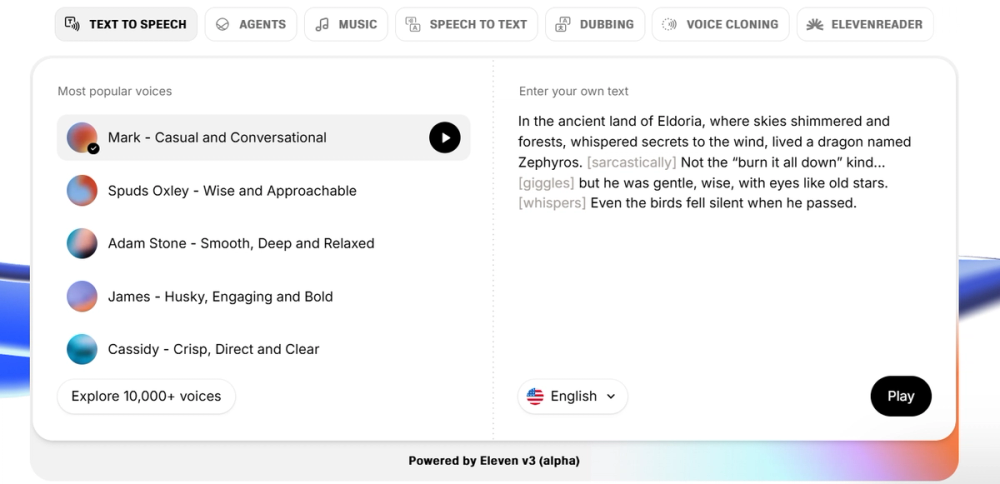
This is the most common entry point. TTS works best for:
What stood out to me is how well it handles tone changes. Simple tweaks in punctuation or wording noticeably change delivery, which gives you more control than most TTS tools.
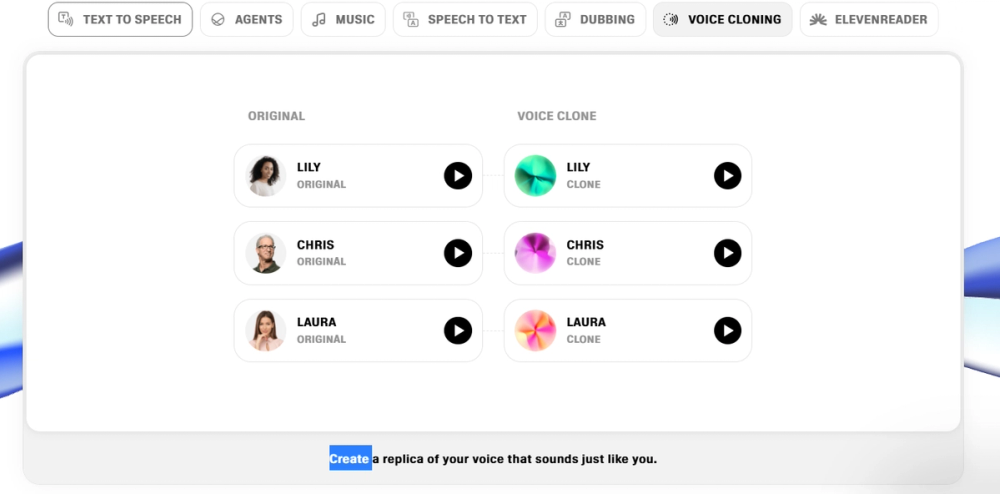
Voice cloning is useful when consistency matters.
Think:
It’s not something you just turn on and forget, better input samples lead to better results. When done right, though, it’s hard to tell the voice isn’t human.
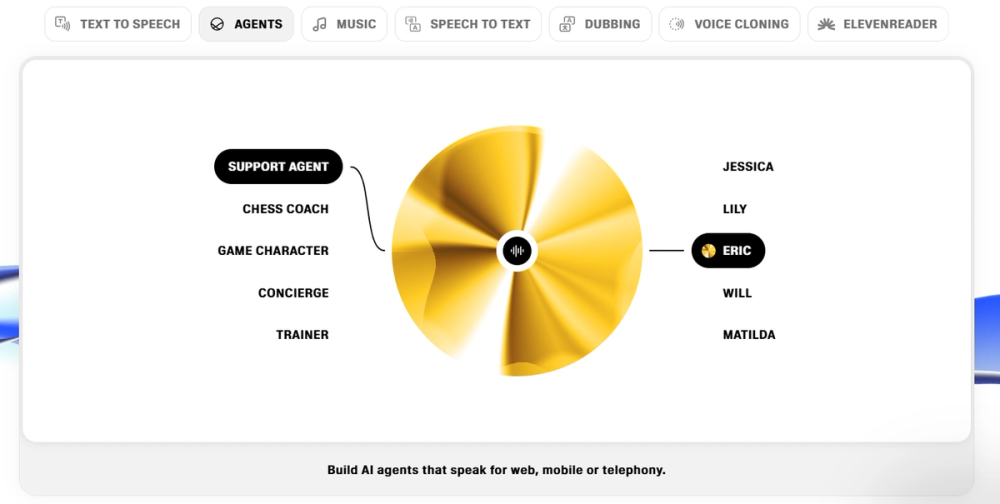
This is where ElevenLabs moves beyond content creation.
Voice agents can be used for:
The big advantage here is low latency. Conversations don’t feel delayed or awkward, which is crucial if you’re building anything interactive.
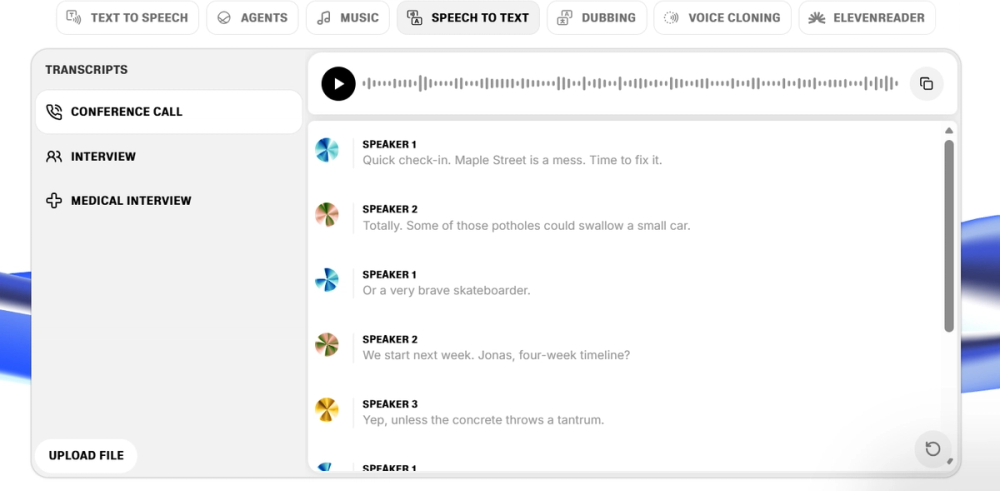
STT is less flashy but very practical.
It’s useful for:
Accuracy is solid, especially for clear speech, and the inclusion of timestamps makes it easier to edit or reuse content later.
The real strength of ElevenLabs is when these tools are combined.
For example:
That’s when it stops feeling like a single feature tool and starts feeling like a platform.
Most text-to-speech tools focus on clarity. ElevenLabs focuses on performance.
A few things that genuinely impressed me:
This makes it useful beyond content creation. Developers can plug it into:
And it doesn’t feel like a demo toy once you scale.
If you’re using ElevenLabs for content:
Shorter scripts sound better than long paragraphs.
Break text into smaller chunks. Add punctuation intentionally. The voices react to structure more than you’d expect.
This one tweak alone made my outputs sound noticeably more natural.
It’s not perfect.
A few honest downsides:
In other words, ElevenLabs enhances good writing. It doesn’t fix lazy writing.
Use it if:
Skip it if:
From hands-on use:
ElevenLabs sits in the middle, powerful, expressive, and scalable.
ElevenLabs feels less like a gimmick and more like infrastructure for voice-first products. It rewards creators and developers who put in a bit of effort, and it punishes copy-paste laziness.
That’s a good thing.
If you want AI voices that actually sound human, ElevenLabs is currently one of the safest bets.
Last updated: 2026-01-26